
Dual Processing Theory proposes that our thinking operates through two systems. System 1 is fast, automatic, and intuitive. It relies on gut feelings and mental shortcuts. System 2 is slower, deliberate, and analytical and it requires conscious effort and logical reasoning. System 1 helps us make quick decisions, but it’s also prone to bias and error.

Slick salespeople are masters at keeping us in System 1 mode by using emotional triggers, urgency (“only two left!”), and social proof (“everyone’s buying this”) to push us toward snap decisions rather than careful thought. When we use emotions instead of analysis, we’re far more likely to make impulsive choices that feel right in the moment but aren’t necessarily rational or even in our best interest.
A simple but powerful defense is mental numeracy: the ability to add, divide, and calculate percentages in your head. This basic skill allows us to use System 2 thinking, helping us slow down and test the numbers behind a claim or offer. Whether it’s working out a “25% discount,” estimating interest rates, or spotting inflated statistics, numeracy keeps us grounded in reason and protects us from manipulation.
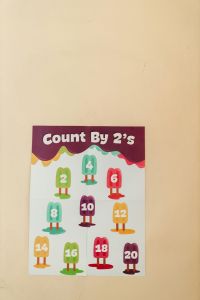
And that’s why every school should continue to prioritise mental arithmetic. It’s not just about passing exams; it’s about building citizens who can think clearly, question confidently, and resist being misled. We also need to stamp out the insidious attitude that “I’m not a numbers person.” No one would proudly say “I can’t read,” so why celebrate being bad at maths? Basic numeracy is not optional, it’s one of the strongest tools we have against error, bias, and exploitation.

And basic arithmetic is not complicated. It’s just a memorising game. It doesn’t require special genes or an app. Flashcards and repetition. And Motivation. (Tomorrow’s blog is all about Motivation.)
 I think, therefore IB
Leave a comment